Understanding the Realm of Private Schools: Identifying the Ideal Choice for Your Child
Exploring independent school options requires a careful process. Families must balance scholastic standing against institutional values. Class sizes and classroom environments play crucial roles in tailored instruction. Speaking with existing families delivers valuable insights, while reviewing academic and extracurricular programs ensures alignment with a student's interests. Understanding tuition structures and scholarship opportunities is critical. As households embark on this journey, several key considerations will arise additional info that could greatly influence their selection.
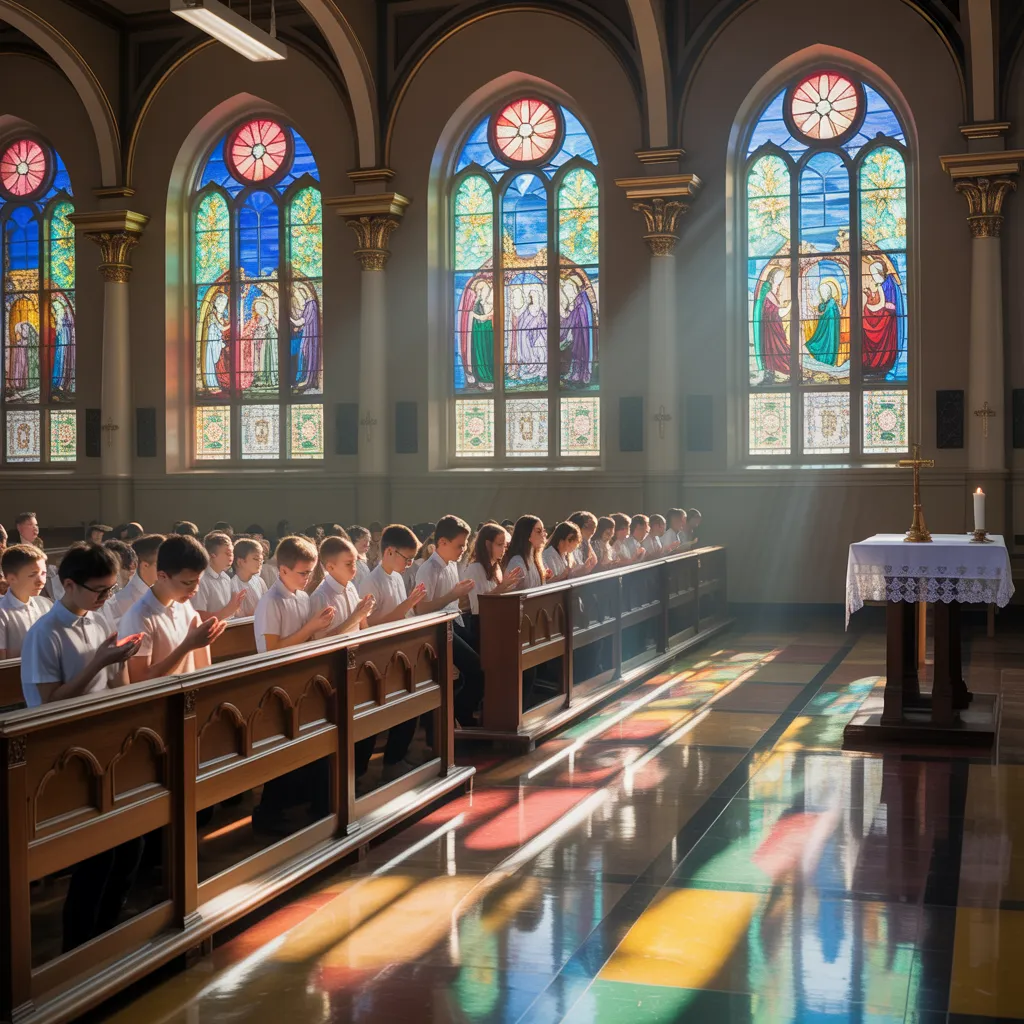
Essential Things to Keep in Mind When Choosing a Private School
When choosing a independent school, how can parents ensure they make the best choice for their child? Essential elements to examine include the school's educational reputation, curriculum offerings, and teaching philosophy. Parents should investigate the school's achievement measures, such as standardized test scores and college placement records. Furthermore, understanding the school's values and culture is important; some could focus on demanding academic programs while others emphasize creative programs or personal growth.
Touring the school and watching classrooms in action can provide insight into the learning environment and teaching methods. Families should additionally evaluate the number of students per class and staff-to-pupil proportions, as such elements frequently influence personalized guidance. Moreover, reviewing enrichment opportunities and auxiliary services, such as mental health support and tailored educational programs, can help guarantee that the school meets the child's overall needs. Connecting with existing families and enrolled students may provide priceless insights, guiding families toward a well-informed decision.
Understanding Types of Private Schools
Numerous types of private schools serve varied educational methodologies and student requirements. Faith-based schools often integrate spiritual teachings with core curriculum, emphasizing moral development in addition to core academic content. Schools following the Montessori method concentrate on autonomous learning, allowing children to discover and interact with learning materials independently, encouraging personal initiative and innovative thinking.
By comparison, Waldorf schools champion experiential learning and artistic expression, nurturing a holistic approach to education. Preparatory academic institutions focus on strict scholastic expectations, preparing students for higher education via advanced coursework and extracurricular activities.
Niche schools, such as those for gifted learners or students with learning differences, deliver specialized programs designed to accommodate specific learning goals. Additionally, international academies deliver world-class curricula, accommodating expatriate families and promoting cultural diversity. All varieties of private schools bring their own notable strengths, underscoring the need for families to thoughtfully consider their child's distinctive academic needs and ambitions when determining the most suitable educational environment.
How to Evaluate School Curriculum: Key Factors
When evaluating a private school's curriculum, understanding the curriculum structure is essential. This assessment can illuminate how subjects are organized and integrated, giving clarity about the teaching philosophy. Additionally, the variety of subjects offered plays a critical role in meeting varied student interests and requirements.
Curriculum Framework Summary
A detailed examination of a school's curriculum is crucial for parents looking to identify the most suitable learning experience for their child. Comprehending the framework of the curriculum involves examining its core components, such as learning objectives, instructional methods, and assessment strategies. It is important for parents to evaluate whether the curriculum suits their child's preferred learning approach and educational aspirations. Moreover, the organization and complexity of material throughout grade levels indicate how well a school readies students for future academic endeavors. Important factors include the balance between foundational skills and critical thinking development. Moreover, parents should assess the integration of technology and real-world applications, as these elements can enhance engagement and relevance. At its core, a carefully crafted curriculum can profoundly shape a child's learning outcomes and overall educational success.
Subject Variety Importance
Assessing the diversity of subjects offered at a private school is essential for parents seeking to provide a balanced education for their child. A broad curriculum not only fosters academic growth but also supports critical thinking, creativity, and personal interests. Parents should evaluate whether the school delivers a balance of core subjects, such as mathematics and science, alongside arts, humanities, and physical education. Moreover, specialized programs like foreign languages, technology, and extracurricular activities can enrich a child's learning experience. It is also necessary to assess how the curriculum adapts to different learning styles, promoting inclusivity for all students. By reviewing these factors, parents can make informed decisions that align with their child's unique strengths and aspirations.
Overview of Tuition and Financial Aid
Comprehending the monetary elements of private schooling is crucial for households. This includes understanding diverse tuition structures and the categories of financial aid accessible, such as scholarships, grants, and awards. An informed approach can assist families navigate their options successfully.
Decoding Tuition Structures
While traversing the terrain of private schooling, families must grasp the diverse tuition structures and financial aid options offered. Private school tuition can vary considerably, often shaped by the institution's facilities, reputation, and location. Typically, families come across different models: sliding scale, fixed tuition, and comprehensive fees that may include academic materials and extracurricular programs. Understanding these structures is important, as some schools may apply supplementary charges not reflected in the base tuition. Furthermore, payment plans can differ, offering families choices between annual, semester, or monthly installments. By educating themselves about these aspects, families can make informed decisions that correspond to their financial situations while guaranteeing their child receives the appropriate educational support.
Forms of Financial Aid
Managing the financial landscape of private schooling often prompts families to investigate different financial aid. Financial aid options typically include need-based aid, which is calculated according to the family's financial situation, and merit-based aid, awarded for academic, athletic, or artistic achievements. Some schools offer payment plans that allow families to spread tuition costs over the academic year, alleviating financial pressure. Moreover, loans may be available, allowing families to fund education expenses with repayment options. Some institutions provide discounts for families with multiple enrolled children or for advance payment. Being aware of these financial aid options empowers families to make informed decisions, allowing them to secure a practical option that fulfills their child's learning objectives without compromising their financial stability.
Grant and Scholarship Opportunities Available
How can families effectively navigate the world of grants and scholarships available for private education? Gaining insight into the available financial aid options is vital for making private schooling accessible. Numerous private schools provide merit-driven scholarships that recognize athletic talent, academic excellence, or artistic skills. Moreover, need-driven grants can greatly alleviate tuition costs for families dealing with financial challenges.
Exploring community foundations, local organizations, and educational nonprofits can reveal external scholarship opportunities. Families may also benefit from applying for federal and state aid programs, which may supply extra financial resources. By thoroughly examining qualification criteria and submission deadlines, families can better position themselves to secure the necessary funding, making sure their child's academic path reflects both goals and financial limitations.
Evaluating Extracurricular Opportunities and Community Culture
What aspects are essential to a thriving community atmosphere and diverse extracurricular offerings in a private school? First, effective leadership and a well-defined mission build a sense of connection among students and families. Schools that prioritize inclusivity and diversity develop a setting where all perspectives are acknowledged, enhancing community engagement. Additionally, a broad range of extracurricular opportunities—ranging from sports and arts to academic clubs—allows students to pursue their passions and build abilities beyond the classroom.
Moreover, engaged parental participation can enrich the culture of the school, fostering bonds between parents and educators. Regular events, such as cultural celebrations or community service initiatives, strengthen these ties and foster a sense of unified purpose. Above all, a successful private school environment reflects its enrichment opportunities, guaranteeing that students achieve both academic success and personal growth in a supportive environment.
School Visits and Interactions: Best Practices
Discovering the lively community atmosphere and co-curricular opportunities at a private school often starts with a visit. Prospective families should arrange visits during regular school hours to observe daily activities, enabling them to gauge the school's atmosphere and level of engagement. Families are encouraged to prepare a set of key criteria to assess, such as classroom dynamics, facilities, and student assistance programs.
Throughout the visit, parents and children should interact with faculty and staff, asking about academic philosophies and offered resources. Speaking with current students can also reveal important details about the social atmosphere of the school. Observing how teachers communicate with students can highlight the degree of care and support offered.
In addition, visiting open houses or informational sessions can deepen knowledge of the school's guiding values and coursework. When all is considered, these engagements are vital for evaluating whether a school is in line with the family's educational goals and expectations for a positive and nurturing setting.
Important Questions for Private School Admissions
When evaluating private school admissions, families often wonder which inquiries will best reveal a school's appropriateness for their son or daughter. Essential questions should focus on academic programs, educational philosophies, and extracurricular opportunities. Parents are encouraged to ask about class sizes and student-to-teacher ratios, as these considerations can impact tailored support and guidance.
Asking about the school's perspective on diversity and inclusion can additionally offer insights into its fundamental values. Additionally, evaluating the school's behavioral policies and supplementary services, such as counseling services or special education support, is essential for evaluating overall student health and wellness.
Families ought to also examine the school's history of college admissions and graduate achievements. Finally, exploring the extent of parental involvement and communication can help gauge how well the school aligns with the family's educational philosophy. These questions collectively foster a thorough understanding of the school's environment and its fit for the individual child.
Frequently Asked Questions
What Are Common Misconceptions About Private Schools?
Frequent myths surrounding private schools encompass the notion that they serve only high-income households, that they promise outstanding educational outcomes, and that they fall short in representing diverse populations. Such beliefs frequently disregard the wide range of available choices and opportunities.
How Do Private Schools Manage Special Education Needs?
Private educational institutions frequently offer personalized assistance for those requiring special educational accommodations, including specially designed coursework, expert personnel, and supportive materials. That said, the degree of assistance can vary greatly across schools, necessitating thorough evaluation by parents and guardians looking for suitable provisions.
What Are the Average Class Sizes in Private Schools?
Standard classroom sizes in private schools fall between 10 to 20 students, offering more individualized attention and adapted learning experiences. This smaller classroom environment frequently improves pupil engagement and builds deeper connections between educators and students.
How Do Private Schools Help Students Transition to College?
Private institutions frequently provide extensive college counseling services, individualized academic support, and comprehensive extracurricular activities. These resources help students develop essential skills, craft compelling college applications, and successfully manage the college admissions journey.
What Are the Long-Term Benefits of Going to a Private School?
Enrolling in private schools often leads to improved academic outcomes, increased preparedness for college, and stronger social networks. Alumni frequently benefit from increased career opportunities and long-term personal connections, contributing positively to their personal and professional development throughout their lives.